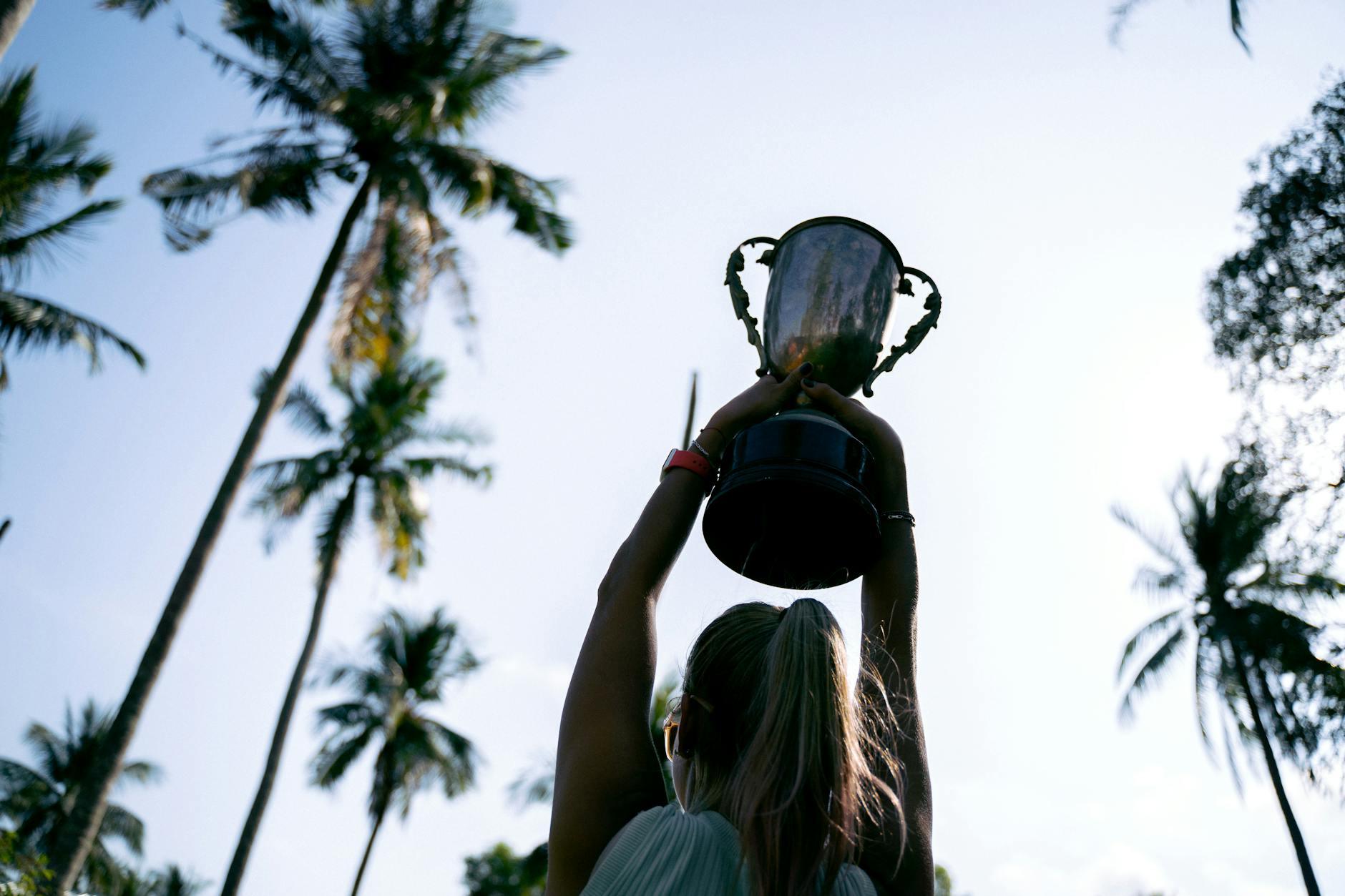
Call it beauty, call it cruelty, but this is the reality. On Sunday, March 8, over 100,000 fans will pack the Narendra Modi Stadium in Ahmedabad as India, the defending T20 World Cup champions, take on a resilient New Zealand side in the final of the 2026 ICC Men's T20 World Cup. First ball is at 1:30 PM GMT.
India are chasing history. A win would make them the first team to successfully defend the T20 World Cup and the first three-time winners in the tournament's history, two years on from beating South Africa in the 2024 final. New Zealand, meanwhile, are bidding to lift a limited-overs World Cup trophy for the very first time.
A GOAT Team With Everything to Lose
This Indian T20I unit is, by the numbers, a GOAT team. They last lost a series or tournament in August 2023. Since the start of the previous T20 World Cup, they have won seven matches for every one they have lost. To the group that won the trophy in 2024, they have added Abhishek Sharma, Tilak Varma, Varun Chakravarthy, and loads of intent.
India are so good that they have pivoted twice during this tournament. First from Shubman Gill to Ishan Kishan just before the event began, and then bringing back Sanju Samson mid-tournament. The pieces have seamlessly fallen into place each time. Yet they won't be viewed as the GOAT if they don't win on Sunday. We don't make the rules. This is how cricket works.
When you operate in the most fickle format of the sport, where it is hardest to establish a link between process and outcome, you can end up with the cagey campaign India have had. They are so good that they only have everything to lose.
Kipling's two impostors are more different for India than for any other team. There's been an element of obsessiveness to India's journey. Regular visits to temples, avoiding training during a lunar eclipse, possible changing of hotels for the final. There aren't enough controllables in this format, so you start trying to control whatever you can.
New Zealand: The Band That Gets Together for the Big Time
India don't want to be anything less than their best against an opponent whose DNA is to care a lot but play like they don't care at all. New Zealand don't have mystery spin and they don't have a Bumrah-like genie, but they are dangerous because they can treat the two impostors almost the same. In India, November 19 is a day of mourning. For New Zealand, whatever happens on March 8 might not even dominate conversation the following week.
Like India, New Zealand have also had to pivot. They called in a 34-year-old mid-tournament, gave him the new ball, had him take out two dangerous left-hand batters, and then didn't need him to do anything for the rest of the semi-final. Since 2019, no team has made more ICC semi-finals than New Zealand's six. Only India have made more finals than their four. Their best players don't even want their national contracts. They encourage such a healthy workspace, let them play elsewhere most of the time, but put the band together when it matters most.
New Zealand will not make the mistakes England's bowlers made against India in the semi-final. They will have researched every batter and put plans in place, ready to execute. India could still be good enough to beat them, but they will not be fed easy deliveries.
Form Guide
India have won every match except for the Super Eight contest against South Africa. After that setback, they won the must-win games against Zimbabwe and West Indies, and then beat England in a high-scoring thriller in the semi-final.
New Zealand only barely made it to the semi-final. They lost comprehensively to South Africa in the first round and to England in the Super Eight, but then turned it all around and thrashed the previously unbeaten South Africans in the semi-final.
In the Spotlight: Jasprit Bumrah and Daryl Mitchell
Jasprit Bumrah didn't end up as Player of the Match in either instance, but he repeated in the semi-final the kind of work he did in the 2024 final. England had brought a chase of 254 down to 69 off the last five overs, but Bumrah bowled two of those for just 14 runs. If he can again put in a performance where New Zealand only take what's on offer, India should win.
Daryl Mitchell has had a quiet tournament. He hardly got to bat in the group stage and then had an ordinary Super Eight round on slower pitches in Sri Lanka. But having steered New Zealand to their first ODI series win in India in January, Mitchell will be vital. He has scored at two a ball against Bumrah in internationals and goes at 10.18 runs per over overall in T20Is. If he can impose a normal day at the T20 office on Bumrah, he will have gone a long way toward helping New Zealand's cause.
Team News
India and the Varun Question
Abhishek Sharma will not be touched, but India have a Varun Chakravarthy problem. Eight of his leakiest spells in T20Is have come in the last two and a half months. His current form reads 11.6 runs per over and just four wickets since the start of the Super Eight round. The three alternatives are Kuldeep Yadav, Mohammed Siraj, and Washington Sundar, in that order of likelihood, because India won't want to diminish their striking ability.
India (probable): 1 Abhishek Sharma, 2 Sanju Samson (wk), 3 Ishan Kishan, 4 Tilak Varma, 5 Suryakumar Yadav (capt), 6 Hardik Pandya, 7 Shivam Dube, 8 Axar Patel, 9 Arshdeep Singh, 10 Jasprit Bumrah, 11 Varun Chakravarthy / Kuldeep Yadav / Mohammed Siraj
New Zealand and the Structure Dilemma
For New Zealand, the question is more about structure. They made do against South Africa with just three specialist bowlers, and James Neesham batted at No. 9. With the ball, Neesham went for 42 in three overs, and New Zealand were rescued by Rachin Ravindra's four overs for 29 runs and two wickets, including David Miller, who mishit a slot ball and still got caught only just inside the boundary. You won't always have that kind of luck. Can New Zealand afford to play with the same structure against India? Jacob Duffy is a choice. Ish Sodhi might not be, because the Ahmedabad pitch is more suited to hit-the-deck bowlers than spinners.
New Zealand (probable): 1 Tim Seifert (wk), 2 Finn Allen, 3 Rachin Ravindra, 4 Glenn Phillips, 5 Mark Chapman, 6 Daryl Mitchell, 7 Mitchell Santner (capt), 8 Cole McConchie, 9 Jimmy Neesham / Jacob Duffy, 10 Matt Henry, 11 Lockie Ferguson
Pitch and Conditions
The middle pitch on the square has been earmarked for the final, as it was for the IPL final last year, but not for the 2023 ODI World Cup final. Since 2024, this particular surface, a mix of red and black soil, is 5-3 in favour of the chasing side.
In last year's IPL final, Royal Challengers Bengaluru successfully defended 190. Before that, Punjab Kings won batting first but only by 11 runs after scoring 243. The other successful defence was South Africa against Canada in this World Cup. South Africa's easy chase against West Indies on this same surface should tell you the pitch is full of runs.
India said they wanted to bat first in Mumbai anyway, but that might not be the case should they win the toss, even keeping in mind their failed chase of 188 against South Africa earlier in the tournament, which was on a different pitch in the same ground.
Past Encounters: India vs New Zealand in ICC Knockouts
Since 2019, New Zealand are 2-2 against India in ICC tournament knockouts:
- 2019 ODI World Cup semi-final New Zealand won
- 2021 World Test Championship final New Zealand won
- 2023 ODI World Cup semi-final India won
- 2024 Champions Trophy final India won
The 2000 Champions Trophy final win in Nairobi gives New Zealand the overall tiebreaker at 3-2.
Stats and Trivia
- India's win against England in the semi-final was the first time since 2014 that a total was defended successfully in a T20 World Cup knockout match held at night.
- New Zealand haven't won a limited-overs World Cup in either format, losing finals as recently as 2019 (ODI) and 2021 (T20I).
- Rachin Ravindra has taken 11 wickets in this tournament. Only Trent Boult with 13 has taken more for New Zealand in a single World Cup.
- Varun Chakravarthy has taken at least one wicket in his last 21 T20Is. Only Wanindu Hasaranga, Adil Rashid, and Sandeep Lamichhane have had longer streaks.
Match Officials
On-field umpires: Richard Illingworth and Alex Wharf (England). The pair stood together during New Zealand's semi-final victory over South Africa in Kolkata.
Third umpire: Allahuddien Paleker (South Africa)
Fourth umpire: Adrian Holdstock (South Africa)
Match referee: Andy Pycroft
What the Captains Said
"Sanju's inclusion was important because in the last bilateral series before the T20 World Cup, we saw the top three of Abhishek, Sanju and Ishan Kishan, and how much it was helping, and when we included him in this World Cup, things changed all of a sudden."
Suryakumar Yadav, India captain
"I wouldn't mind breaking a few hearts to lift the trophy for once."
Mitchell Santner, New Zealand captain
The Bottom Line
Sunday will be tactical, it will be emotional, it will be full of skill and some luck. By the end of the night, both teams will have to make peace with whatever impostor they draw. That is the reality of the game. Over 100,000 will roar in Ahmedabad, but New Zealand have proven time and again that they thrive when no one expects them to. India have the squad, the home advantage, and history on their side, but in T20 cricket, nothing is guaranteed.
One thing is certain: this final will be unmissable.