Legal Experts Sound Alarm Over US Conduct in Iran War
More than 100 international law experts from leading universities including Harvard, Yale, and Stanford have signed an open letter expressing "profound concern" about what they describe as serious violations of international law by the United States in its ongoing military campaign against Iran. The letter, published by Just Security, argues that US strikes may constitute war crimes under international humanitarian law.
The legal scholars—including former US government advisers, military law experts, and judge advocates general—say the US-Israeli decision to attack Iran on February 28 was a clear breach of the United Nations Charter, which prohibits the use of force outside of self-defense against an imminent threat or when authorized by the UN Security Council.
"The Security Council did not authorize the attack. Iran did not attack Israel or the United States," the experts stated. "Despite the Trump administration's varied and sometimes conflicting claims to the contrary, there is no evidence that Iran posed an imminent threat that could ground a self-defense claim."
Alarming Rhetoric from Senior Officials
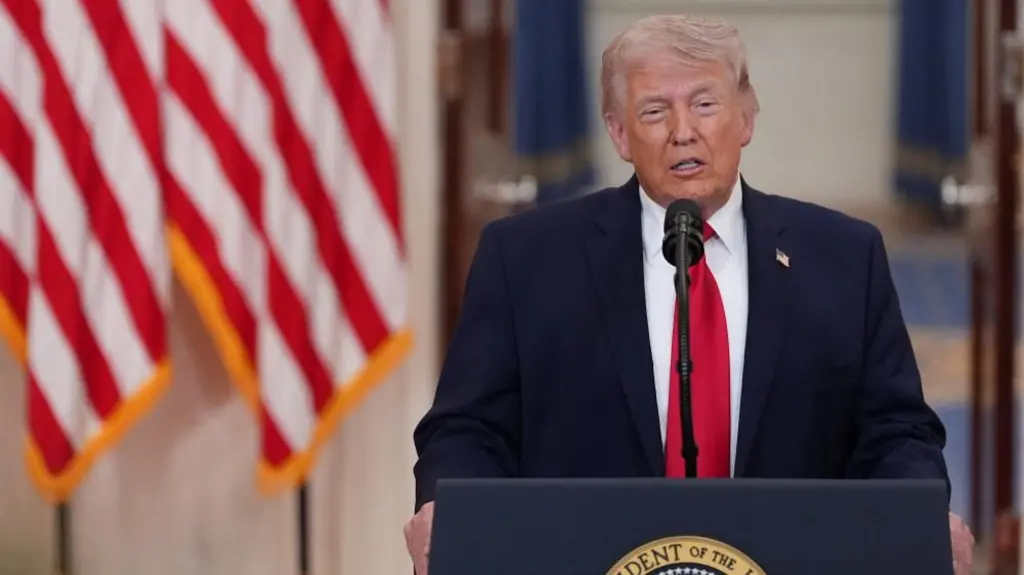
The letter highlights what it calls "alarming rhetoric" from US officials, including President Donald Trump's threats to "obliterate" Iran's power plants and "bring Iran back to the stone ages." Following through on such threats, Trump posted images of a strike on the B1 bridge near Tehran—one of the tallest bridges in the Middle East—warning: "Much more to follow!"
Defense Secretary Pete Hegseth has also drawn criticism for describing rules of military engagement as "stupid" and pledging to give "no quarter, no mercy for our enemies." The experts note that denial of quarter—refusing to spare the lives of those who surrender or are wounded—is explicitly forbidden under international law and the Department of Defense's own war manual.
"Public statements by senior officials indicate an alarming disrespect for the rules of international humanitarian law accepted by states, and which protect both civilians and members of the armed forces."
Widespread Civilian Casualties
According to the Human Rights Activists News Agency, more than 1,600 civilians have been killed in Iran since the war began, including at least 244 children. The Iranian Red Crescent reports that at least 67,414 civilian sites have been struck, including 498 schools and 236 health facilities.
The legal experts expressed particular concern about the US bombing of the Shajareh Tayyebeh Primary School in Minab on the first day of the war, which killed at least 175 people, most of them children aged 7-12. "The strike likely violates international humanitarian law, and if evidence is found that those responsible were reckless, it could also be a war crime," they said. "The strike is among the deadliest single attacks by the US military on civilians in recent decades."
Attacks on Civilian Infrastructure
International law experts say that intentionally attacking civilian infrastructure such as power plants is generally prohibited under the Geneva Conventions. Even when such facilities may have some military function, attacks must not cause disproportionate harm to civilians.
Erika Guevara Rosas, Amnesty International's senior director of research and advocacy, emphasized: "Given that such power plants are essential for meeting the basic needs and livelihoods of tens of millions of civilians, attacking them would be disproportionate and thus unlawful under international humanitarian law, and could amount to a war crime."
The principle was underlined in 2024 when the International Criminal Court issued arrest warrants for Russian officials accused of directing widespread attacks on Ukraine's power infrastructure.
Dismantling of Legal Safeguards
The experts also criticized Defense Secretary Hegseth's dismantling of internal safeguards meant to prevent violations of international law, including the removal of senior lawyers from oversight positions and the elimination of "civilian environment teams" designed to help the military understand how operations could impact civilian populations.
Tom Dannenbaum, a professor at Stanford Law School, said Trump's reference to bringing Iran back to the "stone age" indicates that objects would be targeted "seemingly because they contribute to the viability of a modern society in Iran, which is completely unrelated to the question of contribution to military action—the necessary condition for targeting in war."
White House Response
In response to the letter, the White House accused Iranian authorities of "maiming and killing Americans, acting as the number one state sponsor of terror, and brutally murdering its own people for merely speaking out against its oppressive rule" for the past 47 years. The administration insisted that Trump was "making the entire region safer and more stable by eliminating Iran's short- and long-term threats to the United States and our allies."
The White House dismissed the signatories as "so-called experts" and defended the military campaign as necessary for regional security.
Growing International Condemnation
The legal scholars join a growing chorus of international law experts and human rights organizations condemning the war as illegal, including multiple UN bodies, Human Rights Watch, Amnesty International, and Human Rights First. UN humanitarian chief Tom Fletcher told BBC Radio that "somewhere along the way" international law had been "thrown aside," describing the war as "reckless."
While the letter focused primarily on US violations, it also acknowledged that Iran's government has committed illegal actions during the conflict, including violent crackdowns against protesters and strikes on civilian areas in Israel and Gulf states in retaliation for the war. According to Israeli emergency services, missile attacks from Iran and Lebanon have killed 19 civilians since the start of the conflict.
The experts urged US officials to uphold international law and reminded other nations "of their legal obligations not to aid or assist the United States, Israel, or Iran in the commission of internationally wrongful acts." One signatory, American University law professor Rebecca Hamilton, expressed hope the letter would spur action from "those with constitutional responsibilities," including the US Congress, which she said was "flailing in the face of illegal actions by the executive."