Critical Waterway Becomes War Zone
The Strait of Hormuz, a narrow passage between Oman and Iran through which approximately 20% of the world's oil supply flows, has become an active war zone as Iran reportedly began laying naval mines in the strategically vital waterway. The escalation marks a dangerous new phase in the 12-day conflict between the United States, Israel, and Iran, threatening to trigger the largest oil shock in decades.
The US military announced it has destroyed 16 Iranian mine-laying vessels near the strait, releasing unclassified footage of the strikes. However, intelligence reports suggest Tehran still has much of its fleet intact and continues mining operations despite American attacks.
Ebrahim Zolfaqari, spokesperson for Iran's Khatam al-Anbiya military command headquarters, issued a stark warning: "We won't allow even one litre of oil to reach the US, Zionists and their partners. Any vessel or tanker bound to them will be a legitimate target."
Oil Markets in Turmoil
The closure of the strait has sent shockwaves through global energy markets. Oil prices have surged to $119 per barrel, with Iran warning prices could reach $200. US stock markets responded with a dramatic 5% plunge as investors grappled with the implications of a prolonged supply disruption.
The crisis has effectively frozen shipping traffic through the narrow passage. Tankers are refusing to enter what has become an active minefield, disrupting global oil flows and triggering emergency responses from energy institutions worldwide.
"Get ready for the oil barrel to be at $200 because the oil price depends on the regional security which you have destabilised," Zolfaqari told Reuters.
In response to the unprecedented supply shock, the International Energy Agency (IEA) announced it will release between 300 and 400 million barrels from strategic oil reserves — the largest such release in the organization's history. However, analysts warn this may only offset a small fraction of the current disruption.
Economic Fallout Spreads
Paul Krugman, Nobel Prize-winning economist, explained the broader economic implications: "Unfortunately for the US, the fact that we don't import significant amounts of oil from the Persian Gulf doesn't matter at all. It's a global market, the price of oil is the price of oil."
Krugman noted that American consumers face particular vulnerability despite domestic oil production. "US consumers are hurt worse than European or Asian consumers, even though we produce a lot of oil and they don't," he said, citing America's less fuel-efficient vehicles and greater driving distances.
The economic impact extends beyond fuel prices. Increased heating costs and reduced consumer demand are creating a direct hit to the economy, while uncertainty about Federal Reserve rate cuts adds further pressure on capital markets.
Military Escalation Continues
The US campaign of airstrikes in Iran has now entered its 12th day, with more than 5,500 targets hit across the country. Israel's military announced strikes on Iranian intelligence facilities, Islamic Revolutionary Guard Corps air force sites, and Basij paramilitary command centers.
Iran has responded with attacks on commercial shipping, including setting a Thai cargo ship ablaze in the Strait of Hormuz, and launching drones at Dubai International Airport. The conflict has also spread to Lebanon, where Israel launched "large-scale" strikes on Beirut's suburbs after Hezbollah fired more than 100 rockets.
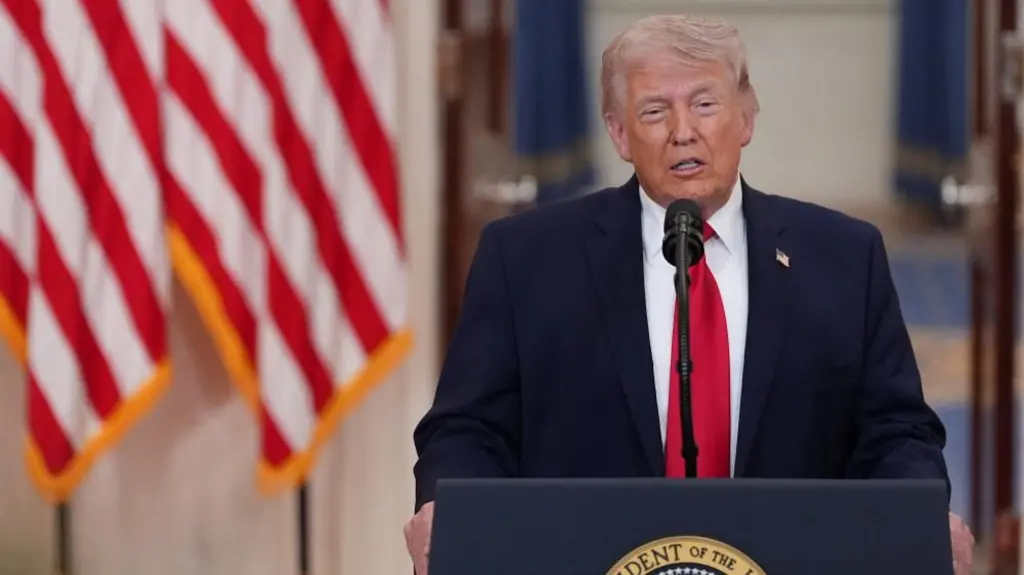
President Donald Trump offered contradictory assessments of the conflict's duration, calling it both a "short-term excursion" and a war, while stating it has "turned out to be easier than we thought." Israeli Defense Minister Israel Katz declared the operation "will proceed without any time limit."
Threats to US Homeland
The FBI recently warned California law enforcement about a potential retaliatory drone strike by Iran on the US west coast, according to a federal intelligence memorandum. The alert suggested Iran had considered using drones launched from vessels off the coast to target unspecified locations in California.
Iran's sports minister announced the country cannot participate in the upcoming World Cup in North America, citing safety concerns for Iranian players in the United States.
Long-Term Implications
Vandana Hari, founder and CEO of Vanda Insights, warned of lasting consequences: "This will have a ripple effect for weeks if not months." She noted that aviation and global supply chains will feel the impact long after any potential resolution of the conflict.
The crisis has raised questions about US capability to protect Gulf allies and maintain freedom of navigation in critical waterways. With the strait effectively closed and no clear end to hostilities in sight, the global economy faces one of its most dangerous energy moments in decades.
The situation remains fluid as diplomatic efforts to de-escalate the conflict have shown little progress, while both sides continue military operations with no clear exit strategy in sight.