Italy Refuses US Military Access Without Proper Authorization
Italy has blocked US military aircraft from landing at the Sigonella air base in Sicily after American forces failed to follow proper diplomatic protocols. Defence Minister Guido Crosetto made the decision when he learned that US bombers planned to use the strategic Mediterranean base as a transit point to the Middle East without prior consultation with Italian authorities.
According to Italian newspaper Corriere della Sera, several US bombers were scheduled to land at the base in eastern Sicily before heading to the Middle East. However, the flight plans were only communicated to Italian authorities while the aircraft were already airborne, violating established treaty requirements.
Treaty Requirements and Legal Framework
The incident highlights the structured legal arrangements governing American use of military facilities on Italian territory. Under treaties established in the 1950s and updated through 1995, US forces may use bases like Sigonella for routine logistical and surveillance purposes, but any use as a launchpad for combat operations requires express authorization from the Italian government.
General Luciano Portolano, Italy's chief of defence staff, was informed by the air force that the US flight plans included Sigonella but that no prior authorization had been sought. Initial checks confirmed the flights were not routine or logistical in nature, falling outside the scope of existing agreements between Rome and Washington.
"I want to reiterate that there is no cooling or tension with the US because they know the rules that have governed their presence in Italy since 1954 just as well as we do," Crosetto wrote on social media.
Government Response and Clarifications
Prime Minister Giorgia Meloni's office responded to press reports with a statement emphasizing that there were "no critical issues or tensions with international partners," stressing that "relations with the United States, in particular, are solid and based on full and loyal cooperation."
Crosetto clarified that his decision merely ensured international agreements were respected and did not indicate tension with the US or a blanket ban on American use of Italian bases. Earlier in March, he had stated unequivocally: "Italy is certainly not considering going to war with Iran. I don't think there will ever be Italian soldiers or planes capable of bombing Iran."
Parliamentary Authorization Required
According to Italian treaties, the use of military bases for weapons transport in wartime situations requires parliamentary approval unless it's an emergency. Since the US request came while aircraft were already in flight, there was insufficient time to seek the necessary parliamentary authorization.
Broader European Pushback
Italy's decision reflects a growing European reluctance to support US military operations against Iran. Spain has already closed its airspace to US planes involved in attacks on Iran and denied access to the Morón and Rota military bases. Spanish Prime Minister Pedro Sánchez called the conflict an "illegal war" and warned it presented a "far worse" scenario than the 2003 Iraq invasion.
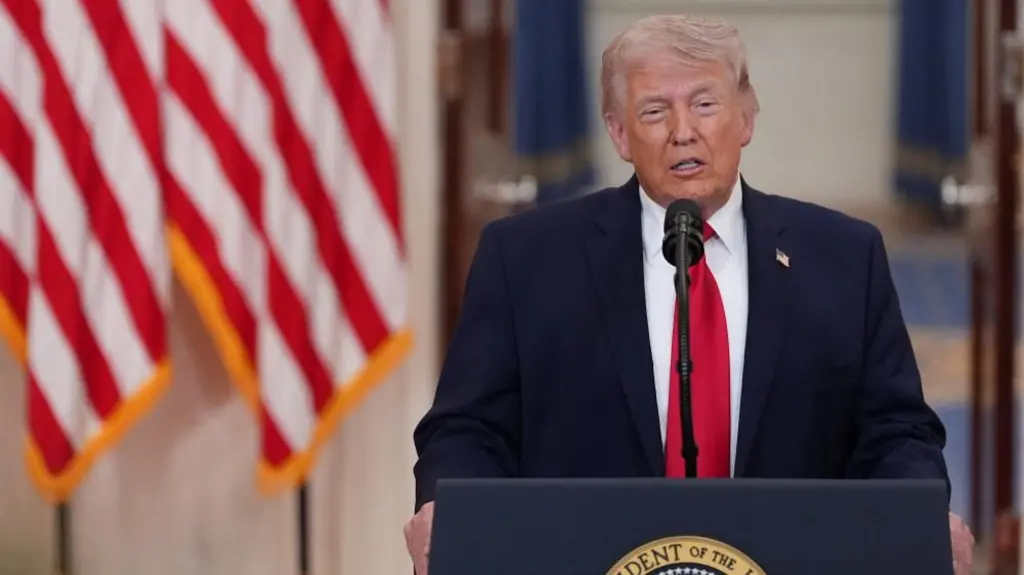
The restrictions force US aircraft to bypass NATO member countries as they fly to targets in the Middle East. President Donald Trump has threatened to cut trade with Spain for denying base access, raising concerns about transatlantic relations.
Strategic Significance of Sigonella
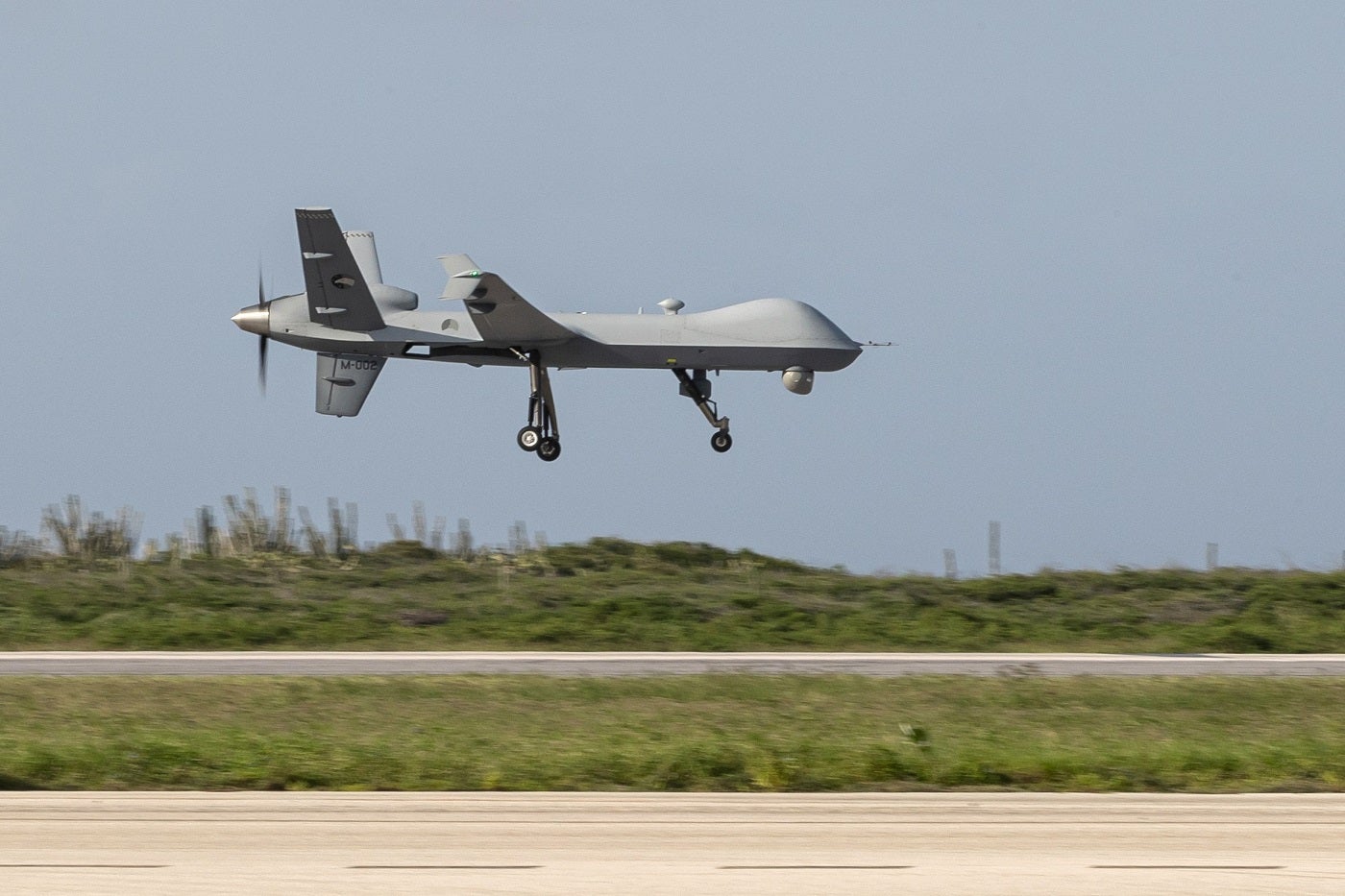
The Sigonella air base occupies a commanding position in the central Mediterranean between the provinces of Catania and Siracusa, making it a highly sought-after staging post for operations directed at the Middle East. Reports indicate there has been a marked increase in drone and aircraft traffic at Sigonella since the outbreak of the Iran war, though until now this had been limited to refueling, logistics, and aerial surveillance operations.
Economic and Energy Concerns
The EU's energy commissioner has warned governments to prepare for "prolonged disruption" to energy markets as a result of the Iran war. European gas prices have jumped more than 70% since the US-Israeli military campaign began on February 28, 2026. While Europe's crude oil and natural gas supplies haven't been directly hit by the closure of the Strait of Hormuz, the bloc remains concerned about supplies of refined petroleum products such as jet fuel and diesel.
Political Opposition in Italy
Centre-left opposition parties in Italy have urged the government to block US use of bases to avoid involvement in the conflict. Meloni's right-wing government has said it would seek parliamentary authorization should any such requests be made through proper channels, emphasizing Italy's commitment to constitutional procedures and international law.
The incident underscores the delicate balance European allies must strike between maintaining transatlantic partnerships and adhering to their own legal frameworks and public opinion, which increasingly opposes involvement in Middle Eastern conflicts.